A lot of commercial roofs stay untouched for way longer than they probably should. Not because building owners are ignoring them exactly, but because roofs have a habit of becoming invisible once they’re no longer actively leaking onto someone’s desk or dripping into a hallway bucket. If the building looks fine from the parking lot and nobody inside is complaining, most people assume the roof is holding up well enough.
The problem is that roofing systems usually start failing quietly first. Small drainage issues. Soft spots around rooftop units. Flashing is beginning to separate along seams that nobody can really see from ground level anyway. By the time building owners call for emergency roofing services, the problem has often been developing for months beneath the surface. Water intrusion tends to expose everything else that was barely hanging on before the storm even showed up.
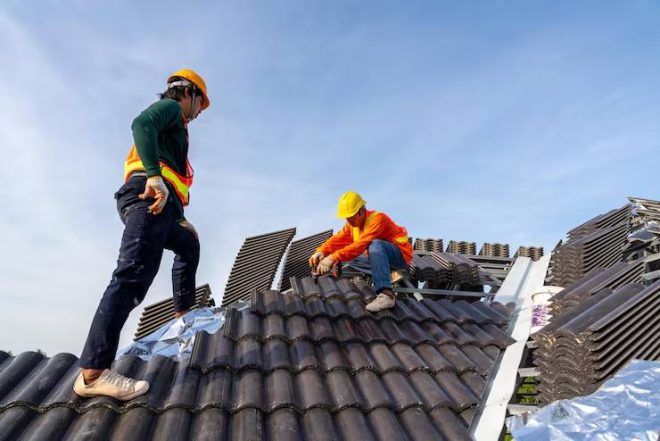
That is part of why modern commercial roofing services involve a lot more than simply tearing off old material and putting new material back down. Large commercial projects now regularly include safety compliance upgrades, drainage corrections, access improvements, and structural evaluations while the roof is already open. Especially in Maryland, where roofs face heavy rain, winter freeze cycles, humidity, and storm damage year-round, those upgrades become less an optional improvement and more a practical necessity over time.
Roof Problems Usually Stack on Top of Each Other
Commercial roofing problems almost never stay isolated to a single issue. A leak around rooftop HVAC equipment might actually trace back to failing flashing three sections over. Ponding water near drains gradually weakens the surrounding materials until the membrane begins to separate. Temporary repairs hold things together for a while, but eventually the patches become part of the problem too.
Flat roofing systems, in particular, tend to reveal this kind of layered wear once contractors start pulling materials apart during larger projects. The outer surface may not even look terrible initially. Then the insulation underneath turns out to be saturated, fasteners have started backing out, or sections of decking show moisture damage that nobody knew was there.
This is usually the point where compliance conversations start entering the picture. Once a commercial roof undergoes major repair or replacement, older systems often need updates to meet current building and safety codes before everything can be closed up properly again.
Drainage Upgrades Matter More Than People Expect
Most people think roofing failures start with shingles or membranes wearing out. A lot of the time, though, drainage quietly creates the bigger issue beneath everything else.
Water that cannot move properly off a roof starts sitting exactly where it should not. On low-slope commercial roofs, standing water gradually breaks down seams, adds unnecessary structural weight, and speeds up deterioration across the surrounding surface. Maryland winters make the situation worse because freeze-thaw cycles widen tiny cracks over and over as water gets trapped inside them.
Fixing the visible damage without correcting drainage is usually short-term thinking. The roof may look better for a while, but the same stress points often return pretty quickly once the weather shifts again.
That is why larger roofing projects frequently include upgraded drainage layouts, tapered insulation adjustments, or improvements around scuppers and drains while crews are already handling the rest of the system.
Rooftop Safety Standards Have Changed Quite a Bit
Older commercial buildings were not always designed around the amount of rooftop traffic they see today. Years ago, roofs mostly sat untouched outside occasional maintenance visits. Now commercial rooftops hold HVAC systems, vents, satellite equipment, refrigeration units, and all kinds of additional mechanical systems that require regular servicing throughout the year.
That constant traffic changes how roofing systems wear over time.
Walk paths around equipment begin deteriorating faster. Penetration points become vulnerable areas. Access routes that once seemed acceptable are now raising safety concerns for technicians working around the building. In some cases, crews find themselves navigating narrow areas or uneven surfaces that honestly should have been addressed years earlier.
Modern commercial roofing upgrades often include reinforced walk pads, safer service access, improved flashing around rooftop systems, and better organization around equipment layouts. None of those things is especially flashy from the outside, but they make a real difference once the building returns to normal operation.
Material Standards Continue Improving
Roofing materials themselves have changed a lot over the past couple of decades, too. Older systems built around repeated patch repairs are increasingly being replaced with materials designed for longer-term weather resistance and better energy performance.
TPO and modified bitumen systems have become common choices for commercial properties because they handle moisture exposure and temperature fluctuations more reliably than many older materials. Improved insulation systems also help stabilize indoor temperatures better, which matters quite a bit for schools, medical facilities, churches, and multi-unit commercial buildings trying to manage operating costs year-round.
The goal is usually not just to stop the current leak. Good roofing work tries to reduce the chances of the next problem showing up six months later.
Planning Repairs Before They Turn Into Emergencies
One thing commercial property owners eventually learn is that roofing systems rarely fail all at once. Usually, there is a long middle period during which the roof is technically still functioning while multiple smaller problems quietly build up underneath it.
That is why experienced contractors spend time evaluating the entire roofing system rather than focusing only on the visible damage directly in front of them. Companies like Magnum Home Services, LLC approach larger roofing projects with a broader mindset, considering drainage, structural wear, rooftop safety, and long-term durability together rather than treating each issue separately. In practice, that tends to create roofing systems that hold up better over time and require far fewer emergency calls once the next major storm season rolls back around.
Featured Image Source: https://img.freepik.com/premium-photo/2-construction-workers-install-new-roof-construction-site-electric-drill-used-new-roofs-with-concrete-roof-tiles-concept-residential-building-construction_61243-1559.jpg?semt=ais_hybrid&w=740&q=80
