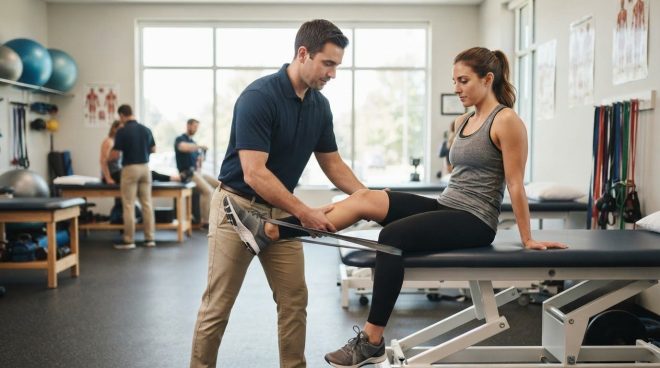
Navigating a sports injury can be a frustrating experience, often marked by unexpected pain, disrupted routines, and the looming question of how to return to peak performance safely. Many athletes and active individuals face a common dilemma: how to effectively address an injury that doesn’t necessarily require surgery but demands more than just rest. Understanding the various approaches to diagnosis, treatment, and rehabilitation is crucial for a successful recovery that prevents recurrence.
When an injury occurs, the initial response often involves managing pain and limiting activity. However, a comprehensive approach goes deeper, seeking to identify the underlying biomechanical issues or movement patterns that contributed to the injury in the first place. This is where specialized care becomes invaluable, offering targeted interventions to restore function and build resilience. For those in the Lombard, IL area seeking focused care for athletic setbacks, a Sports injury clinic can provide the necessary support to get back in motion.
A clinic specializing in sports injuries typically focuses on more than just immediate pain relief. They aim to understand the root cause of the injury, examining how the body moves and identifying areas of imbalance or compensation. This personalized approach helps restore strength, mobility, and control, reducing the likelihood of the injury returning. For individuals seeking such a tailored recovery plan, True Health Chiropractic and Acupuncture offers evidence-based care designed to help restore mobility and athletic performance.
The Nuance of Sports Injuries: Why They Aren’t Always a Single Event
Unlike a sudden, traumatic event like a fall or collision, many sports injuries develop gradually. They are often the culmination of repetitive stress, poor movement mechanics, muscle imbalances, or joint dysfunction that accumulate over time. Pain, in these cases, is frequently the last symptom to appear, indicating a problem that has been brewing beneath the surface for a while.
Consider common conditions like runner’s knee or tennis elbow. These aren’t typically caused by one misstep but by consistent, suboptimal movement patterns during activities. The body, an intricate system of interconnected parts, will often compensate for weaknesses or restrictions in one area by overworking another. This compensation can lead to strain, inflammation, and eventually, pain and injury in the compensating structures. Addressing these underlying issues is paramount for lasting recovery.
Your First Steps After a Sports Injury: Beyond R.I.C.E.
While the R.I.C.E. (Rest, Ice, Compression, Elevation) protocol remains a valuable immediate response for acute injuries, it’s often just the beginning. For many, the next critical step is a professional evaluation to accurately diagnose the injury and understand its severity. This initial assessment should go beyond simply identifying the painful area.
A thorough evaluation typically involves:
- Detailed History: Discussing how the injury occurred, the type of pain experienced, and how it impacts daily activities and athletic performance.
- Movement Assessment: Observing how the body moves during specific actions related to the sport or activity, identifying any asymmetries, limitations, or compensatory patterns.
- Palpation and Orthopedic Tests: Physically examining the affected area and performing specific tests to pinpoint the source of pain and assess joint stability, muscle strength, and neurological function.
This comprehensive approach ensures that the treatment plan targets the actual problem rather than just masking symptoms. Without a clear diagnosis, treatment can be ineffective or even exacerbate the injury.
Tailored Treatment Approaches for Active Individuals
Once a clear diagnosis is established, a personalized treatment plan can be developed. The goal is not just to alleviate pain but to restore full function, improve athletic performance, and prevent future injuries. Common treatment modalities found in sports injury clinics often include:
- Chiropractic Care: Focuses on the spine and other joints, ensuring proper alignment and function to reduce nerve interference and improve overall body mechanics. This can be particularly beneficial for issues related to low back pain, neck tension, and hip flexor strains.
- Acupuncture: An ancient practice that involves inserting thin needles into specific points on the body to stimulate healing, reduce pain, and improve circulation. It can be used to address a wide range of sports-related pain, including shin splints and plantar fasciitis.
- Corrective Exercises and Rehabilitation: A cornerstone of sports injury recovery, these programs are designed to strengthen weak muscles, improve flexibility, restore range of motion, and re-educate movement patterns. This is crucial for conditions like rotator cuff injuries, ankle sprains, and IT band syndrome.
- Soft Tissue Therapy: Techniques such as massage, myofascial release, or instrument-assisted soft tissue mobilization help address muscle tightness, adhesions, and scar tissue that can restrict movement and cause pain.
- Modalities for Pain and Inflammation: This can include therapies like electrical stimulation, ultrasound, or cold laser therapy to reduce pain and inflammation and accelerate tissue healing.
The most effective plans often integrate several of these approaches, adapting as the individual progresses through their recovery journey.
Who Benefits from a Sports Injury Clinic?
While the name suggests a focus on professional athletes, sports injury clinics serve a much broader population. Anyone who engages in regular physical activity and experiences pain or injury can benefit. This includes:
- Competitive Athletes: From high school to collegiate and amateur levels, athletes often push their bodies to the limit, making them susceptible to both acute and overuse injuries.
- Weekend Warriors: Individuals who maintain an active lifestyle through recreational sports, hiking, running, or gym workouts. They may experience injuries due to inconsistent training, sudden increases in activity, or improper form.
- Active Individuals: This group encompasses anyone whose lifestyle demands physical resilience, including busy parents, manual laborers, or those simply striving to maintain fitness. Injuries in this group can significantly impact daily life and overall well-being.
The common thread among these groups is the desire to remain active and perform at their best, free from pain and limitations. A specialized clinic understands these goals and designs care plans that align with an active lifestyle, rather than forcing prolonged periods of inactivity.
Moving Forward: Getting Back to What You Love
The journey back from a sports injury can feel daunting, especially when persistent pain or limitations keep you from activities you enjoy. However, understanding that many injuries stem from underlying issues, not just a single event, can change your approach to recovery. By seeking a comprehensive evaluation and a personalized, evidence-based treatment plan, you can address the root causes of your pain.
The aim is not just to alleviate current symptoms but to build a more resilient body, capable of handling the demands of your chosen activities. This proactive approach helps ensure that you not only recover faster but also stay active and injury-free in the long run. If you’re experiencing pain that’s holding you back, taking the step to understand its origins is the first move toward getting back in the game.
