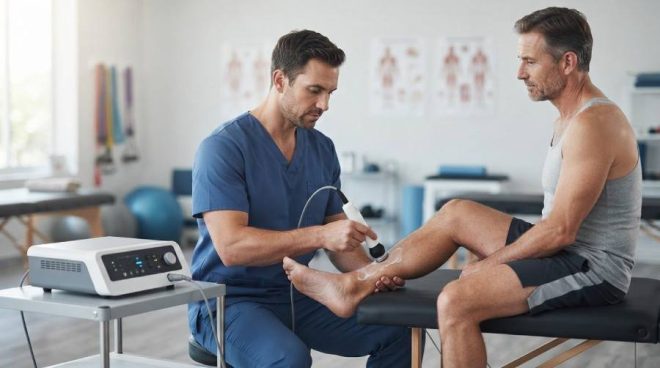
Chronic pain can be a relentless adversary, often dictating daily activities and disrupting sleep. For many, it’s a cycle of temporary relief followed by the familiar resurgence of discomfort, leaving individuals searching for effective, long-term solutions that move beyond masking symptoms. This persistent pain frequently stems from underlying issues such as incomplete healing, compromised blood flow, or the accumulation of scar tissue, which can weaken affected areas and make them prone to repeated flare-ups.
When traditional approaches fall short, advanced therapies offer new avenues for recovery. One such non-invasive option gaining traction is extracorporeal shockwave therapy (ESWT), often simply referred to as shockwave therapy. This treatment utilizes focused sonic waves to stimulate the body’s natural healing mechanisms, targeting the source of pain rather than just its manifestation. For those seeking to explore this treatment option, Shockwave therapy can be a valuable resource for finding local providers and understanding its application in various conditions.
Shockwave therapy is designed to boost circulation, break down stubborn scar tissue, and signal the body to repair damaged areas naturally. This approach aims to restore mobility and reduce inflammation without the need for drugs, injections, or surgery. Many individuals who have not found relief through conventional methods discover that this therapy provides the missing piece in their recovery journey. For those in the Lombard, IL area, True Health Chiropractic and Acupuncture offers this treatment, focusing on personalized care tailored to individual movement patterns and activity levels.
How Shockwave Therapy Works to Stimulate Healing
Shockwave therapy, also known as extracorporeal pulse activation technology (EPAT), delivers pulses of sonic waves to specific areas of the body experiencing chronic pain or injury. These sound waves are transmitted through a handheld probe, creating energy within the tissue. This energy triggers a reparative response, leading to reduced pain and promoting healing at a cellular level.
The core mechanism involves several key biological processes:
- Increased Blood Flow: The sonic waves stimulate microcirculation in the treated area, enhancing the delivery of oxygen and nutrients essential for tissue repair.
- Cellular Regeneration: Shockwaves can activate stem cells and growth factors, encouraging the regeneration of damaged tissues, including tendons, ligaments, and bone.
- Breakdown of Scar Tissue: Chronic injuries often result in the formation of dense, inelastic scar tissue. Shockwave therapy helps to break down these fibrous adhesions, improving tissue elasticity and function.
- Pain Reduction: By stimulating nerve fibers and releasing pain-modulating substances, the therapy can significantly reduce discomfort, often providing relief even after the first few sessions.
- Anti-inflammatory Effects: The treatment can help to resolve chronic inflammation, which is a common contributor to persistent pain.
While the exact molecular pathways are still under investigation, clinical studies suggest that these combined effects contribute to the therapy’s ability to heal and restore function in various musculoskeletal conditions.
Conditions That May Benefit from Shockwave Therapy
Shockwave therapy is increasingly recognized for its potential in treating a wide range of musculoskeletal conditions, particularly those that have not responded to conservative treatments. Its non-invasive nature and ability to stimulate natural healing make it an attractive option for many.
Common conditions where shockwave therapy is applied include:
- Plantar Fasciitis: A common cause of heel pain, often chronic and debilitating.
- Achilles Tendinopathy: Inflammation or degeneration of the Achilles tendon.
- Rotator Cuff Tendinopathy: Pain and dysfunction in the shoulder due to tendon issues.
- Tennis Elbow (Lateral Epicondylitis) and Golfer’s Elbow (Medial Epicondylitis): Pain around the elbow joint, often caused by repetitive strain.
- Patellar Tendinopathy (Jumper’s Knee): Pain in the tendon connecting the kneecap to the shin bone.
- Calcific Tendinitis: Calcium deposits in tendons, most commonly in the shoulder.
- Shin Splints (Medial Tibial Stress Syndrome): Pain along the shin bone, common in runners.
- Chronic Back and Neck Pain: Muscular or soft tissue pain that persists over time.
- Non-Union Fractures: Fractures that have failed to heal naturally.
The therapy is also being explored for other applications, including erectile dysfunction and wound healing, highlighting its broad potential in regenerative medicine.
What to Expect During and After a Shockwave Therapy Session
Understanding the process of shockwave therapy can help alleviate concerns and set realistic expectations. The treatment is typically straightforward and requires minimal preparation.
Before the Session
Before initiating shockwave therapy, a thorough assessment is crucial. This often involves a physical examination, review of medical history, and sometimes imaging studies like ultrasound to precisely identify the injured area. This diagnostic step ensures that the treatment is appropriately targeted and that the individual is a suitable candidate. Providers will discuss the treatment plan, including the expected number of sessions and potential outcomes.
During the Session
A typical shockwave therapy session is relatively brief, usually lasting between 15 to 20 minutes. Here’s a general overview of what occurs:
- Positioning: The individual will be positioned comfortably, allowing the practitioner easy access to the affected area.
- Gel Application: A coupling gel, similar to that used in ultrasound, is applied to the skin over the treatment site. This gel helps transmit the sound waves effectively.
- Application of Shockwaves: The practitioner uses a handheld device to deliver sonic pulses to the injured tissue. The intensity and frequency of the shockwaves are adjustable and controlled by the practitioner.
- Sensation: Most individuals describe the sensation as an intense pressure or tapping. While it can be uncomfortable, especially in already sensitive or injured areas, it is generally well-tolerated. Practitioners will adjust the energy level to a point that is manageable for the individual. No local anesthesia is typically used.
- Coverage: The practitioner will thoroughly cover the entire injured area with the sound waves to ensure comprehensive treatment.
After the Session
One of the significant advantages of shockwave therapy is the minimal downtime. Most individuals can return to their normal activities, including sports, within 24 hours of a treatment.
- Immediate Effects: Some individuals may experience an immediate decrease in pain, though this can sometimes return after one to two weeks.
- Post-Treatment Sensations: It’s common to feel some soreness, bruising, or slight swelling in the treated area. These side effects are usually mild and temporary.
- Pain Management: Over-the-counter pain relievers like acetaminophen can be used to manage any discomfort between sessions.
- Session Frequency: The number of sessions required varies depending on the condition and its chronicity. Most patients see meaningful improvement within three to six sessions, typically spaced a week apart.
- Delayed Results: The full benefits of shockwave therapy may not be immediately apparent and often increase over time as the body’s natural healing processes continue.
Considerations and Potential Drawbacks
While shockwave therapy is generally considered safe and effective, it’s important to be aware of potential considerations and contraindications.
Who Should Not Receive Shockwave Therapy?
Certain conditions or circumstances may make an individual unsuitable for shockwave therapy:
- Pregnancy: The safety of shockwave therapy during pregnancy has not been established.
- Blood Clotting Disorders or Anticoagulant Use: Individuals taking blood thinners or with conditions affecting blood clotting may be at higher risk of bruising or hematoma.
- Malignancy: Treatment over areas with active cancer is generally avoided.
- Growth Plates: Shockwave therapy is not typically applied over open growth plates in children.
- Infections: Active infections in the treatment area are a contraindication.
- Severe Osteoporosis: In cases of significantly low bone density, there’s a theoretical risk of stress fractures, though this is rare.
- Implants: Treatment directly over metal implants or pacemakers may be avoided.
Potential Side Effects
Side effects are generally mild and temporary, including:
- Pain or discomfort during the treatment.
- Redness, swelling, or bruising in the treated area.
- Numbness or tingling.
- Minor skin irritation.
Serious complications are rare, but it’s crucial for a physician to assess the patient’s overall health and injury before treatment. For instance, if a tendon or ligament is nearly fully torn, shockwave therapy could potentially worsen the tear.
Cost and Insurance Coverage
The cost of shockwave therapy can be a significant consideration for many individuals. While it is FDA-approved for safety and effectiveness, it is generally not covered by major medical insurance plans in the United States.
- FSA/HSA Eligibility: Shockwave therapy is often eligible for reimbursement through Flexible Spending Accounts (FSA) and Health Savings Accounts (HSA), which can help offset the out-of-pocket expense.
- Out-of-Pocket Payment: Many individuals choose to pay for shockwave therapy out of pocket, especially when other treatments have failed, viewing it as a worthwhile investment given its potential to avoid more invasive and costly interventions like injections or surgery.
- Pricing Varies: The total cost will depend on the number of sessions required and the specific provider’s pricing structure. It is advisable to inquire about the cost per session and any package deals during the initial consultation. Providers should be transparent about costs and help individuals understand their financial options before beginning treatment.
