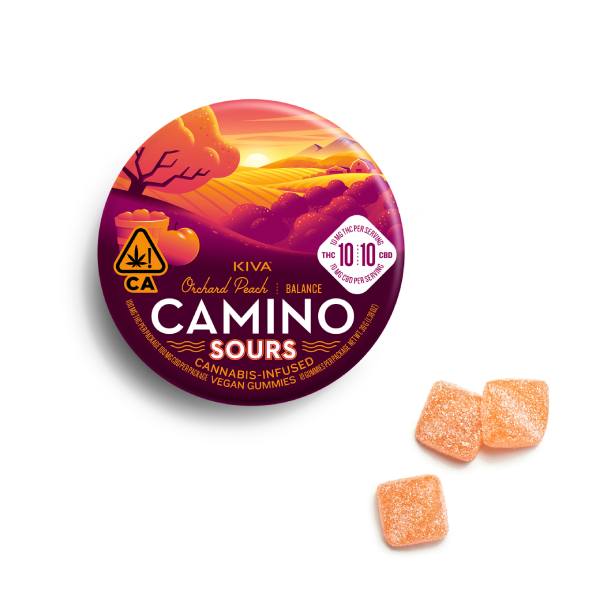
Walk into any dispensary, and you might think the shelves fill up at random. They don’t. Every display case, every product placement, everywhere you take one step from the door to the counter that is a plan. That’s right, store owners are using real cash to learn where flower should go, where edibles sit along the wall, and why those pricey concentrates always seem to end right in your line of vision. The layout influences what you see, what you absorb, and what remains in your mind. Even if it all seems accidental as you walk through the door, nothing about it is.
A lot of cannabis stores operate on a simple truth about how humans shop. You move through a space in certain ways, and clever retailers use that to their advantage. It is to hold your hand, but you should not feel like anyone is shoving anything down your throat. It is a design that feels organic and nearly non-existent, but nudges your gaze toward fast-moving or high-margin products. You think you’re wandering freely. You’re not, really.
And that balance is something Green Mart Santa Ana Marijuana Dispensary and many other places definitely know. They should be fast and loose, not claustrophobic or overly aggressive. Hasted customers not only buy less, but also go away quicker. The space needs to allow for breathing room, sightlines, and a path that drags you deeper into the heart of it rather than back toward the exit.
Philosophy of Product Placement in Dispensaries
Stores borrow extensively from grocery and pharmacy design. Consider that milk always lives at the back of a supermarket. You can only get there by walking past all of the other stuff. The same goes for dispensaries catching hot trends.
Here is why. The more you stick around, the more there is to see. This is a cycle that becomes addictive: the more you look, the more you buy.
It relegates high-demand products to the back of the store. Flower, which is at the top of the sales roster for most shops, typically has a wall anchoring the far side. Along the way to it, you walk past edibles, pre-rolls, and paraphernalia. That walk plants ideas. You might have set out with the desire for a gram of flower, but you’re starting to think about a gummy pack too.
The products that the stores want to sell most are on eye-level shelves. Impulse buys get the reach-level spots here. The lower shelves? Those tend to hold bulk deals or value brands for shoppers willing to get on their knees to search for a discount.
High-Traffic Areas and the Entrance Decompression Space
Those first few feet inside a store do more for sales than you might think. In retail, they call this the decompression zone. As you walk in, your brain gets used to the space. At that opening juncture, you slow things down, take stock, and barely purchase anything.
This is why smart dispensaries keep this section light. No aggressive selling at the front. Or instead, they’ll have some seasonal promotions or a welcome visible screen; or hopefully just empty floor space. People fly by without interest, so tap contributions that no one sees here are counterproductive.
And this isn’t when the real merchandising begins; once you are completely comfortable, it begins quietly.
Digital Displays, Menu Boards, and Guided Discovery
Cannabis shopping can overwhelm newcomers. Hundreds of strains, crazy amounts of THC; you’ve never done the format before. But layout makes that a lot easier to date.
At the entrance, there are clear menu boards for you to see your options before making a decision. Digital screens exchange deals and feature new arrivals. This does two jobs at once:
- It educates confused shoppers.
- It guides attention toward preferred products.
Sleep aids sit together. Energy and focus products group close to each other. And if you are a first-time buyer who is lost, there is a section for you to correspond with your mood rather than standing in front of a wall of jars. A little bit of order goes a long way to help the first-timer.
The Counter and Point-of-Sale Strategy
The checkout counter is the most lucrative spot. When you get there, you’ve already made your biggest call. And now, the store gets one last jab at stuffing something in your cart.
Small, grab-and-go items live here. Single-use lighters, rolling papers, single pre-rolls, cheap edibles. These are like candy bars for cannabis at the grocery till. They aren’t things you planned on acquiring, but they’re present, at a cost that makes them difficult to resist, and it’s so easy to throw in.
Budtenders play a role too. A nudge at the register sells product that shelf presence alone cannot. The layout includes staff positioning (even though you probably would never think of it in those terms).
How Regulation Informs Security, Compliance and Design
Cannabis retail is laden with systems that everyday shops rarely encounter. In many states, this means product stays behind counters or in locked cases. Shoppers are frequently unable to handle products freely. This imposes a rather specific type of floor plan.
Guided service layouts place budtenders between you and the product. You ask, they retrieve. This slows the pace, as it creates conversation, and conversation sells. Larger stores may have help on hand with open displays that contain sensors to enforce compliance while you are browsing.
Age verification can also affect entrance. Most dispensaries send you through a check-in zone before the sales floor. That waiting moment isn’t wasted. Before you have even shopped, screens and displays there have started warming you up.
Lighting & Flow Also Pull Their Weight
Nobody pays attention to lighting, but it makes everything different. Use even, bright light for a clean and trustworthy product (notice how they look in supermarkets). Use warmer tones near lounge areas or high-end sections that cause you to slow down and stay. Stores mix both on purpose.
Flow matters as much. Broader aisles allow pedestrian traffic to flow freely and eliminate congestion in front of high-demand displays. Bottom line is, putting people side by side in a small space reduces sales there.
What This Means to You As a Customer
When you know the tricks, it alters your purchase. You can go in with a list and adhere to it. Feel free to avoid the impulse rack at the counter. Instead, go directly for the value shelf on or near the floor, not the premium eye-level picks.
Or you may like it for what it is. It is pleasant to shop when a store is well arranged, and there is nothing wrong with that. Maybe it’s not about pushing back against every nudge, but just recognizing that there are nudges and making your own choice.
When you walk through the door of your next dispensary, give it a second. Look at where things sit. After that, you will begin to see the strategy behind the shelves, and shopping becomes a bit more fun.
