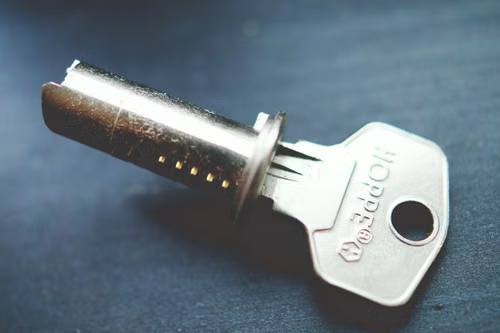
The resignation letter comes in on a Tuesday. Two weeks later, the desk is cleared, the laptop is back in IT, and somebody remembers to ask about the key on Friday afternoon. By then the former employee has already left the building for the last time. Maybe they mail it back. Maybe they say they lost it months ago and nobody followed up. Either way, your building now has a working key floating somewhere outside your control, and no one can tell you exactly where.
Most owners assume this resolves itself. It does not. Commercial locksmith services exist largely because of this exact gap between an exit interview and an actual change to the hardware. The key does not stop working when employment ends. It stops working when somebody physically changes the cylinder or the pins inside it.
There is a version of this where nothing bad happens. That’s probably the common version, since most people who leave a job have no interest in coming back. Sunshine State Lock and Key gets called for the other version often enough that the pattern is easy to describe. Let us break it down.
The Real Risk Is Not Theft from the Departed Employee
Ask a business owner what they worry about, and they will say the ex-employee walking back in at night.
That happens, sure. The bigger exposure sits somewhere else. That key spent years on a personal keyring, went home every night, sat in a gym locker, got left on a bar counter once. It may have been copied by a roommate, a partner during a bad breakup, or nobody at all. You have no record either way.
The insurance side matters too. Most commercial policies distinguish between forced entry and entry with a working key. If a claim adjuster finds no damage to the door, the questions get uncomfortable fast. You may end up proving you took reasonable steps to control access. A key you never recovered makes that argument harder.
Here is the part people miss. Your liability is not only about property. If a former employee retains access to a space where customer records or controlled inventory sit, the exposure shifts into a different category.
Rekeying Versus Replacing Your Commercial Locks
You have two paths, and the price gap between them is wide.
Rekeying keeps your existing hardware and changes the internal pins so old keys stop turning. The lock body, the finish, and the door prep all stay untouched. New keys get cut to match the new pin configuration.
Replacing swaps the entire lock. That makes sense when the hardware is worn, when you want a higher grade cylinder, or when the existing lock uses a keyway anyone can duplicate at a hardware counter.
Which one fits depends on:
- The age and condition of your current cylinders
- Whether the same key opens multiple doors in your building
- How many keys are outstanding across your staff
- Whether you want restricted keys that cannot be copied without authorization
Rekeying costs less per door. That is the honest answer for most situations. Somebody will tell you to replace everything, and occasionally that advice is right; it gets given more often than the situation calls for.
Master Key Systems and Why Turnover Breaks Them
Here is where the problem gets expensive.
A master key system lets one key open everything while individual keys open only certain doors. Convenient. It also means a single compromised key can undo the whole structure, depending on which level of the system that key sat on.
Lose a submaster, and you may need to rekey an entire floor rather than one office. Lose the top level master and the conversation changes completely.
Practical steps that reduce the damage:
- Keep a written record of who holds which key and at what level.
- Assign the lowest level of access that lets someone do their job.
- Collect keys during the exit process, not after it.
- Rekey affected doors within days of a departure, not months.
- Move to restricted keyways so copies require your authorization.
That last one solves the duplication problem permanently. Standard keys can be copied for a few dollars at any strip mall. Restricted keyways cannot, because the blanks are controlled.
What Happens During a Commercial Rekey Visit
The work is less disruptive than owners expect.
A technician pulls the cylinder from the door, removes the existing pins, and installs a new combination matched to fresh keys. The door stays on its hinges. The lock body goes back exactly where it was. Most doors take under twenty minutes.
For a building with eight to ten doors, plan on a couple of hours. You can keep operating while it happens, though you will want somebody available to sort out which doors need which access.
Sunshine State Lock and Key handles this across Boca Raton, including after hours when a daytime visit would interrupt your business.
One thing worth deciding before the technician arrives. Do you want every door on the same key, or separate access by area? Sorting that out on site slows everything down and leads to choices you regret later.
When to Make the Call
Not every departure needs a locksmith the same afternoon.
The ones that do:
- Any exit where the key was not physically returned
- Terminations that ended badly
- Departures of anyone who held a master or submaster key
- Staff who had access to cash, controlled stock, or client records
- Any employee who worked alone after hours
The ones that can wait a little:
- Amicable exits where the key came back in your hand
- Roles that only had access to a shared exterior door already scheduled for a rekey
Perhaps that second list feels too relaxed. Reasonable people disagree here. A restaurant owner who has been through a bad theft will rekey after every single departure, and it is hard to argue against that.
There is no perfect schedule. There is only the question of how many working copies of your key exist right now, and whether you can answer it with confidence.
Need your commercial locks rekeyed after a staff change? Call (561) 759-9994. Licensed, bonded, insured, and available 24/7 across Boca Raton.
