The shower pressure drops the second someone flushes a toilet. The washing machine starts and the kitchen faucet slows to a trickle. You turn on a second tap and the first one almost stops running.
Sound familiar?
If you’re on well water, these pressure swings aren’t just annoying. They’re hard on your appliances. They make everyday tasks take longer than they should. And they signal that your pump system might not be keeping up with your household’s needs.
Two main pump types serve homes on well water: standard well pumps and constant pressure systems. The difference between them affects everything from shower quality to how long your pump lasts.
Have you noticed pressure changes when using multiple taps? That’s the clearest sign you’re dealing with a standard system. Whether that’s a problem depends on your household size, water usage patterns, and frankly, your tolerance for inconvenience.
Let’s break down how each system works and why the choice matters more than most people realize.
How a Standard Well Pump Works
A standard well pump uses simple on/off operation. The pump runs at full speed or it doesn’t run at all. No middle ground.
Here’s the basic cycle: Water pressure in your home drops as you use taps, showers, or appliances. When pressure falls to a preset low point (usually around 40 psi), a pressure switch kicks the pump on. The pump fills a pressure tank until pressure hits the high point (typically 60 psi). Then the switch turns the pump off.
The pressure tank holds water under air pressure. Think of it as a buffer. When you turn on a faucet, water comes from the tank first, not directly from the pump. This gives you water without running the pump for every small draw.
The tank size matters. A 20-gallon tank might cycle the pump every few minutes in a busy household. A larger 80-gallon tank reduces cycling but takes up more space.
Pressure swings are built into this design. You get maximum pressure right after the pump shuts off. Minimum pressure right before it kicks back on. That’s a 20 psi difference in most setups.
For a single person or couple, this works fine. Pressure swings stay small because water use happens one task at a time. But add kids, multiple bathrooms, irrigation systems, and high-demand appliances? The system struggles.
The pump cycles on and off frequently. Each cycle wears components. The pressure switch contacts degrade. The pump motor works harder starting up than running continuously.
Most people don’t think about their well pump until it fails. That’s the problem with standard systems. They work, sort of, right up until they don’t.
How a Constant Pressure Pump Works
A constant pressure well pump changes the game by eliminating the on/off cycle. The pump speed adjusts to match water demand in real time.
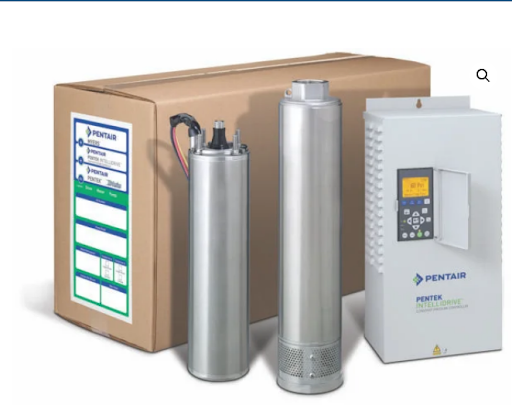
Variable speed drives make this possible. Instead of running full blast or not at all, the pump motor speeds up or slows down based on how much water you’re using. One tap open? The pump runs slowly. Three showers and a dishwasher going? It ramps up.
A controller monitors system pressure constantly. If pressure starts to drop, the drive increases pump speed just enough to maintain the target pressure. When demand decreases, the pump slows down.
Pressure stays locked at your chosen setpoint. Most systems let you set this anywhere from 40 to 75 psi. Pick 55 psi and that’s what you get at every tap, every time, regardless of how many are open.
Why does water pressure stay steady with this system? The pump responds within seconds to pressure changes. Before you even notice a drop, the system has already adjusted.
The pressure tank shrinks dramatically. Some constant pressure setups use a tiny 2 to 4-gallon tank, just enough to prevent rapid micro-cycling. The pump does most of the work instead of relying on stored pressure.
This approach reduces cycling from dozens of times per hour to potentially zero during periods of use. The pump might run for hours at varying speeds instead of stopping and starting repeatedly.
The technology isn’t new. Industrial and commercial systems have used variable speed pumps for decades. But the cost only dropped enough for residential use in the last 15 years or so.
Key Differences in Water Pressure, Performance, and Efficiency
Let’s compare the systems across what actually matters for daily life.
Pressure Consistency
Standard pump: Pressure swings 20 psi or more between cycles. Multiple taps cause noticeable drops.
Constant pressure: Holds within 1-2 psi of setpoint. Open five taps and pressure barely budges (assuming adequate pump capacity).
This difference shows up immediately in showers. With a standard system, someone flushing a toilet means a sudden temperature shift. Constant pressure systems eliminate that.
Energy Usage
Here’s where things get interesting. Standard pumps seem like they’d use less energy because they’re off much of the time. But all those start-up surges add up.
Electric motors draw several times their running current when starting. A 1.5 hp pump might pull 15-20 amps starting up but only 8 amps running. Cycling 30 times an hour wastes energy.
Constant pressure pumps run longer but at lower speeds. A pump running at 60% speed uses roughly 40% of full-speed power. The math favors variable speed in most households.
Real-world savings? Maybe 20-30% on pump energy. That’s $50-100 yearly for typical use. Not huge, but it adds up over a 15-year pump life.
Pump Lifespan
Standard pumps wear out from cycling. The motor, pressure switch, and check valves take the most abuse. Expect 8-12 years from a standard setup with average use.
Constant pressure systems reduce mechanical stress. Fewer starts mean less wear on motor windings and bearings. The electronics (VFD controller) become the weak point instead. Some controllers fail before the pump does.
Lifespan comparison gets murky because constant pressure hasn’t been mainstream long enough for solid long-term data. But reduced cycling should help. Perhaps 12-15 years isn’t unrealistic.
Noise and Wear
Standard pumps make noise when they cycle on. You hear it throughout the house if the pump is in the basement. Constant pressure systems run quieter at reduced speeds and don’t have that jarring start-up noise.
Water hammer (that knocking in pipes) happens more with standard systems. Sudden pressure changes stress plumbing. Over years, this can loosen fittings or damage fixtures.
Cost, Installation, and Maintenance Considerations
Expect to pay 50-100% more for a constant pressure system upfront.
A standard 1 hp submersible pump kit with tank and controls might run $800-1200. The same capacity constant pressure setup costs $1500-2500, sometimes more depending on features.
Installation complexity varies. If you’re replacing an existing standard pump, the job is straightforward. Drop in the new pump, connect it, done.
Converting to constant pressure takes more work. You’ll need electrical changes to accommodate the VFD controller. The smaller pressure tank simplifies plumbing, but you might need to relocate equipment or update wiring.
Plan on $500-1000 extra in labor for a professional installation. Some systems need 240V power where only 120V exists. Running new circuits adds cost fast.
Maintenance differs between systems. Standard setups need pressure tank bladder replacement every 5-8 years ($150-300). The pressure switch might need adjustment or replacement ($50-150).
Constant pressure controllers can fail. Replacement runs $400-800 depending on the model. The pumps themselves need similar maintenance either way: check valves, wiring connections, periodic inspections.
Long-term value depends on your situation. A family of five using 100+ gallons daily? The constant pressure system pays back through comfort and energy savings. A retired couple using 40 gallons per day? Standard might make more sense.
Think about resale value too. Homebuyers notice water pressure during showings. A constant pressure system can be a selling point, especially in areas where well water is common.
Small households (1-2 people) with low simultaneous demand don’t benefit as much. Large households (4+ people) see immediate quality of life improvements. The sweet spot is probably 3-5 people where pressure issues are annoying but not yet constant.
Which Pump Is Right for Your Home?
The decision comes down to a few key factors.
Household Size and Water Demand
Count people and usage patterns. Four people getting ready for work and school at the same time? Constant pressure makes mornings less chaotic. One or two people with staggered schedules? Standard works fine.
High-demand appliances matter too. If you run irrigation systems, have a hot tub, or use a lot of water for hobbies or work, constant pressure prevents the system from being overwhelmed.
Budget Reality
Can you afford the higher upfront cost? The monthly energy savings are real but small. You’re mainly paying for convenience and reduced stress on your system.
If the budget is tight and your current standard pump works okay, maybe it’s not time to switch. When that pump finally dies though, consider upgrading then.
Existing Infrastructure
Older homes sometimes have electrical systems that make constant pressure installations expensive. If your panel is full or undersized, upgrade costs balloon.
The well depth and pump capacity play a role too. A weak pump at 300 feet might not benefit much from variable speed control if it’s already struggling at full speed.
Frustration Threshold
Be honest about how much the pressure swings bother you. Some people barely notice. Others find it maddening.
If you’ve adapted your routines around the pump (not running dishwasher during showers, spacing out laundry and bathing), that’s a sign constant pressure might be worth it.
Professional assessment helps. A well contractor can measure your actual flow rates, check pump capacity, and recommend the right setup for your situation. They’ll catch issues you might miss, like a failing pump that needs replacement regardless of type.
Don’t rush this decision. Live with your current system a bit longer if you’re unsure. Track how often pressure issues come up. If it’s daily, upgrade. If it’s occasional, maybe not yet.
Frequently Asked Questions
Is a constant pressure pump worth the extra cost?
For households with high simultaneous water use, yes. The comfort and appliance protection justify the expense. Smaller households with low demand may not see enough benefit to warrant the higher price. Energy savings help but won’t pay back the cost difference quickly.
Can a constant pressure pump replace a standard well pump?
Yes. Constant pressure systems work in the same wells and plumbing as standard pumps. You’ll need to upgrade electrical controls and may need a smaller pressure tank. Most well contractors can handle the conversion in a day.
Do constant pressure pumps last longer?
Possibly. Reduced cycling should extend motor life. But the electronic controllers can fail and are expensive to replace. Real-world longevity data is still limited because the technology is relatively new in residential applications. Expect similar or slightly better lifespan compared to standard pumps.
Will a constant pressure pump save energy?
Typically 20-30% on pump operating costs. The pump runs longer but at reduced speeds, which uses less power than frequent full-speed cycling. Actual savings depend on usage patterns and pump efficiency. For most homes, this translates to $50-100 annually.
What causes pressure fluctuations in well systems?
Standard pumps cycle between high and low pressure setpoints by design. Simultaneous water use draws down the pressure tank faster, causing bigger swings. Small pressure tanks, undersized pumps, or high demand all make fluctuations worse. Leaks and failing check valves can also cause pressure problems.
