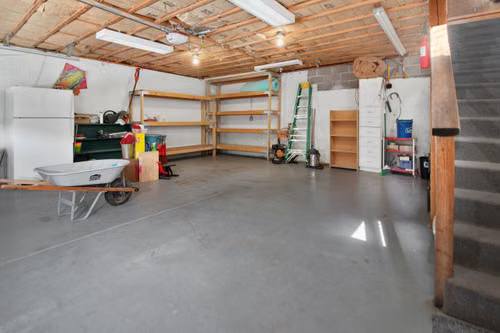
You just flip on the basement light, and the shine of the ground greets you. Maybe it is a thin layer of water near the drain. Or maybe your slippers have already gotten completely soaked through. Either way, you now have a question tied to real money. So do you scrub the floor, or do you whip out a phone?
Emergency water extraction is the professional answer to the second option. In practical terms, it means trained teams arrive with pumps and industrial extractors to remove water from your cellar within hours, rather than days. Knowing which wet basements actually need it is the tricky part. Many homeowners talk themselves out of making the call until after the damage is done.
The stakes are higher than many realize. According to FEMA, only 1 inch of water can cause around $25,000 in damage to a home. And it is for this very reason that Restoration Logistics has moving crews to cover you 24/7. Floods can happen in basements when you least expect them, and the cost of waiting only increases over time.
The One Inch Rule Sets the Bar Lower than You Think
For most homeowners, a flooded basement is simply knee-deep water, with storage bins floating toward the stairs. This is why real losses look so much more boring. When an inch of water spreads across the basement floor, it soaks into the bottom edge of the drywall, wicks up into the wood framing, and destroys the carpet pad from below.
A mop isn’t a serious option at that depth. You’re not only talking about hundreds of gallons over the slab, but also about everything that water has already come into contact with. Professional extraction is quick and affordable if the water covers most of the ground.
The Place Where the Water Comes from Determines How Risky It Is
Now, not all water passing through the basement is a threat. Water from a broken supply line is clean. As the water travels through cracks in the foundation, it also collects soil bacteria. A sewage backup belongs in a class of its own and converts your basement from a clean-up project into a health issue.
Sewage is always a professional job, even if it appears to be shallow. Wear protective gear, extract impacted porous materials, then disinfect the area, and finally deodorize. That job, attempted with rubber gloves and a bottle of bleach, endangers your whole household.
Positive Trend: Time Beats the Depth When Mold Comes into Play
Water less than a quarter of an inch, which stands for three days, is worth more steps than 3 inches removed the same morning. That sounds weird, but science backs it up. According to the EPA, mold does not tend to grow when wet materials dry in 24-48 hours. After that, prevention becomes retribution.
How much water do you see? It is how long the water has been there and how long your own cleanup would take. If honest math lingers into day three, the window has passed, and it makes more sense to go with a pro who does structural drying anyway.
A Finished Basement Changes the Math Completely
A basement with a naked slab and block walls makes many sins disappear. Water will have fewer hidey-holes and fewer items with which to destroy. Flipping that equation is a full basement. Everything from carpet and padding to drywall, insulation, and built-in cabinets absorbs water and holds it right up against your framing where you can’t see it.
When water hits finished surfaces, extraction is not the end of the job. Moisture meters are utilized by crews to test behind walls and beneath flooring, followed by working construction drying for what remains in the structure. Getting this wrong means removing drywall in six months to discover concealed mold.
Circumstances Under Which the Call Should Take Place Immediately
In some situations, the decision-making process is completely eliminated. If any of these apply to your basement, pick up the phone:
- The water covers most of the floor or is more than 1 inch deep.
- Even a little sewage, such as a sewer backup around the floor drain.
- The water has gotten to outlets, appliances, the furnace, or the electrical panel.
- The water has been sitting there for over one day.
- There was a storm, and your pump stopped working, and water just keeps coming in.
The last one merits note because it occurs repeatedly along the Front Range. A spring storm knocks out power, the sump pump dies, and you wake to a rec room that has become a pond.
Sometimes, a Mop and a Shop Vac are Sufficient
A shallow puddle of clean water from a broken washing machine hose, collected the same day and lying on a sealed concrete floor, does not require an emergency crew. Absorb it, blow a fan in it, and keep an eye on the area for 2 or 3 days.
The real question is, can you get everything totally dry in 48 hours with only items that you already have? Which means everything the water came into contact with: the air, the slab. If any aspect of that answer gives you pause, the puddle has outgrown your kit.
Signs You Have Already Waited Too Long
Spotting something that indicates the problem has left extraction and entered repair territory. It evolved into a musty odor, an odor that was absent just a week ago. Baseboards pull away from the wall, paint bubbles at the floor-line, and the carpet is dry on top but squishes at its seams.
At that point, the scope of work typically consists of removing burned materials, treating mold, and repairing the structure, not solely extracting water. It’s more expensive and time-consuming.
Insurance adjusters pay attention to how quickly you took action after the flooding began. For example, a homeowner who requests extraction the same day looks more favorable than someone who lets their water sit for a week. They document photos of damage and water levels and record their drying data, providing your adjuster with proof rather than guesswork. Call it early and let the paper trail work for you.
