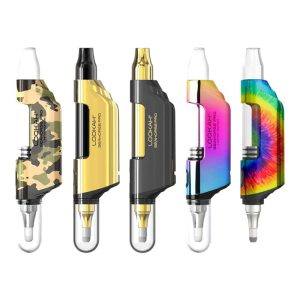
Walk into one smoke shop, and a disposable vape costs eight dollars. Walk into another a few blocks away, and the same vape sits at fifteen. Nothing about the product changed. So what gives? The number on the tag has less to do with the device itself than most buyers assume.
The gap is not random, and it is not always the store trying to gouge you. A handful of plain business reasons push the price up or down at each smoke shop. Once you can spot them, you stop overpaying for a vape out of habit. Here is what sits behind the swing.
The Markup Is The Shop’s Choice
Smoke shops are not bound to a set price. The maker suggests a number, but the store decides what to charge above its own cost. One owner aims for fast sales on thin margins. Another wants more per unit and accepts fewer customers. That single call explains a lot of the spread before anything else enters the picture.
A shop in a quiet area might pad the price because foot traffic is low and every sale has to count. A busy shop can charge less and still come out ahead on volume. Same product, two strategies, two prices.
There is also the question of what the shop wants you walking out with. Some stores keep device prices low and make their money on the refills and pods you come back for. Others do the reverse. A cheap vape up front can quietly cost more over a month of buying coils. The sticker price only tells part of the story.
You Pay More For A Real Brand
Counterfeits show up often in this product category, and fakes almost always undercut the genuine article. A device that looks identical to a known brand might be a knockoff with cheaper parts inside. That low number that reads like a steal is sometimes the tell.
What you pay extra for, at a careful shop, is the real thing:
- Authentic hardware that meets the brand’s own specs
- Packaging with intact seals and a scannable verification code
- A device less likely to fail or act strangely after a week
If a price looks too good compared to everyone else, ask whether the product is genuine. A confident shop will not flinch at the question. A cagey one tells you what you need to know.
Taxes Shift At The City Line
Vape taxes get set locally, and they vary a surprising amount from one place to the next. Cross a county or state border, and the same item can carry a different tax load. Two shops a few minutes apart might price the same product differently for this reason alone, with neither doing anything odd. The buyer rarely sees the tax broken out, so it just looks like one store charges more.
This is part of why a vape can feel cheaper the moment you leave a city center. The shop did not turn generous overnight. The tax rate simply dropped. Online sellers run into the same thing, which is one reason their prices read so differently from the shop on your corner.
Bigger Shops Buy For Less
Wholesale pricing rewards volume. A chain or a high-traffic store orders in bulk and pays less per unit, then passes some of that saving to you. A small independent buying smaller quantities pays more upfront and has to charge more to keep the lights on.
Neither one is cheating anybody. The independent shop is not greedy. It just never had the buying power to start from a lower cost, so its floor price sits higher.
Rent Is Baked Into Every Tag
A storefront on a busy strip pays a lot for that spot, and that cost has to come from somewhere. It comes from you, spread across everything on the shelves, the vape included. A shop tucked on a side street with cheaper rent can afford to sell the same thing for less.
Location is really selling convenience. You pay a little extra for grabbing what you want without going out of your way. Some days that trade is worth it. Some days it is not.
Old Stock Tells Its Own Story
Turnover matters more than people think. A shop that moves product fast keeps fresh inventory and can price it lower without losing out. A slow shop sits on the same boxes for months, and that stock can age, especially anything with liquid or a battery sealed inside.
Sometimes a slow shop discounts to clear old units, and you get a real deal. Sometimes it holds the original price on a product that quietly drifted past its best. Glancing at any printed date is worth the extra few seconds at the counter.
So, How Do You Tell If The Price Is Fair
You do not need to run any of this math while standing in line. A couple of small habits cover almost all of it.
Compare two or three shops near you and learn the normal range
Treat a price far below that range as a question, not a win
Check for sealed packaging and a verification code on branded devices
Notice whether the shop sits in a high-rent, high-convenience spot
Once the normal range lives in your head, the strange prices start to stand out on their own. The shop charging double is easy to skip. The one selling a brand-name device for suspiciously little earns a second look before you hand over cash. A fair price stops being a guess and turns into something you can read off the shelf.
Featured Image Source: https://42degrees.com/wp-content/uploads/elementor/thumbs/lookah-seahorse-pro_limited_6-qg1905157eommbsndszdf7qn4qubk9mqdc7av655tk.jpg
