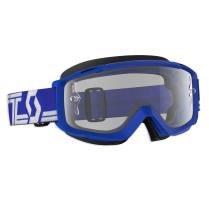
Good moto goggles do one simple job, and they do it the whole time you are riding. They keep your eyes clear. That means seeing the next rut before you hit it, spotting roost coming off the rider ahead, and not blinking through a face full of dust. The wrong goggles can ruin a ride faster than mud or rain, and new riders find that out quickly.
Moto goggles Canada riders reach for cover a wide spread of prices, lens types, and features, which is great once you know what you are after and a little overwhelming when you do not. Most beginners get tripped up the same way. They pick a pair for the colour, or they grab the cheapest option on the rack, then wonder why the lens fogs on the first cold lap or why the foam soaks through after one wet morning.
This guide walks through what actually matters for a first set, where to spend and where to save, and the mistakes worth skipping. Canadian conditions get a mention too, because riding in a damp Ontario spring is not the same as a dry Alberta summer, and your goggles feel that difference.
What Beginners Should Look for in Moto Goggles
Start with the lens. Clarity matters more than anything printed on the box. A good lens gives you a clean, distortion-free view and blocks UV, which you want even on grey days. Cheap lenses can warp what you see just enough to throw off your timing, and that is the last thing a new rider needs.
Then think about fog. This is the big one in Canada. Cold morning air against a warm face equals a fogged lens, and a fogged lens means you stop riding. Look for goggles with proper venting and an anti-fog coating, or a dual-pane lens if you ride in real cold.
Single-pane lenses are lighter and cheaper but fog faster. Dual-pane lenses trap a thin air gap between two layers, a bit like a double-glazed window, and they hold off fog far better. For most beginners riding through a Canadian shoulder season, that gap is worth the extra few dollars.
Comfort comes next. The foam should sit soft against your face, ideally a triple-layer foam that wicks sweat. And the goggles have to match your helmet. A gap between the goggle frame and the helmet opening lets in wind, dust, and cold, so always check the two together.
Beginner buyer checklist:
- Clear, UV-protective lens with no visible distortion
- Anti-fog coating or a dual-pane lens for cold rides
- Open vents and breathable foam
- Triple-layer face foam that handles sweat
- Tear-off or roll-off compatibility for muddy days
- A frame that seals cleanly against your helmet
One more thing on sizing. Most adult goggles fit a wide range of faces, but if you wear glasses or have a narrow face, check the fit notes before buying. A loose seal undoes everything else.
Best Budget-Friendly Moto Goggles for New Riders
You do not need to spend a fortune for your first pair. Plenty of solid entry-level goggles come from brands Canadian riders already trust, names like 100%, Scott, Fox, and EKS Brand. The trick is knowing what you give up at each price.
Entry-level goggles usually run a single-pane lens, simpler foam, and fewer lens options. That is fine for dry summer riding and casual trail days. Spend a little more and you start getting anti-fog coatings, wider field of view, and easier lens swaps.
Here is a rough comparison to frame the decision.
| Pick | Typical price (CAD) | Best for | Trade-off |
| Best budget | $30 to $50 | Dry summer riding, casual days | Single-pane lens, fogs sooner |
| Best overall value | $60 to $90 | All-round beginner use | Few, mostly fine for most riders |
| Best for muddy conditions | $90 to $130 | Wet, sloppy tracks | Costs more, needs tear-offs stocked |
A quick read on the three:
Best budget. A simple single-pane goggle from a known brand. Clear view, comfortable enough, light on your wallet. The catch is fog and a shorter lifespan on the foam.
Best overall value. This is where most beginners should look. You get anti-fog, decent venting, and lens choices without paying premium money. Comfortable for a full day, and it lasts.
Best for muddy conditions. Built for tear-offs or roll-offs and a wider seal. If you ride spring mud or rainy days often, the extra spend saves you a lot of squinting.
Value beats price here. The cheapest pair that fogs and leaks costs you ride time, which is worth more than the few dollars saved.
Are Premium Moto Goggles Worth It for Beginners?
Sometimes. Not always. The honest answer depends on how much you ride.
Premium goggles bring real improvements. Better lens technology with sharper optics, a noticeably wider field of view, tougher frames, and lens systems that swap in seconds. Brands like Oakley and 100% put their top tech into these, and experienced riders feel the difference on a fast track.
For a beginner, though, a lot of that is overkill at first. You are still learning lines and building confidence. A wider field of view is nice, but you are not pushing the pace where it pays off yet. A mid-range goggle covers what you actually need for the first season or two.
When should you upgrade? A few signs. You are riding most weekends. Your current goggles fog or scratch faster than you can keep up with. You have moved past green-circle trails and want every bit of vision you can get. At that point the premium pair earns its keep.
If you ride a handful of times a year on dry days, expensive goggles are probably money you do not need to spend. Comfort and a clear, fog-free lens matter far more than the badge on the strap.
Common Beginner Mistakes When Buying Moto Goggles
Most goggle regret comes down to a few repeat mistakes. Worth knowing them before you buy.
The biggest is fit. New riders order goggles and a helmet separately, then find the goggle frame leaves a gap at the brow or the cheeks. Wind and grit pour straight in. Always match the goggle to your helmet, or buy both knowing they pair well.
Next is ignoring the weather. A tinted lens looks sharp but turns a dim, overcast Canadian morning into a guessing game. A clear or low-light lens is the safer first buy, with a tinted spare for bright days.
Style over function trips up a lot of people too. The flashiest colourway means nothing if the lens distorts or the foam scratches your skin. Function first, looks second.
And then there is the lens you forget about. Some cheaper goggles have almost no replacement lenses available. Scratch the one it came with and the whole pair is done.
Mistakes to avoid:
- Buying goggles without checking them against your helmet
- Picking a tinted lens as your only lens
- Choosing looks over a clear, comfortable fit
- Skipping goggles with replacement lenses on the market
- Forgetting tear-offs if you ride mud
Quick fixes if things go wrong. Fogging usually means poor venting or riding too slow to push air through, so crack the vents and keep moving, or switch to a dual-pane lens. Discomfort is often a foam or strap issue, so adjust the strap snug but not tight and check the foam is sitting flat.
Final Recommendations for Canadian Beginner Riders
For most new riders, a mid-range goggle in the $60 to $90 range is the sweet spot. You get anti-fog, a clear lens, and comfort that lasts a full day, without paying for tech you will not use yet.
If you mostly ride dry summer days and want to keep costs down, a simple budget pair from a trusted brand does the job. If you ride wet, muddy spring tracks, spend up for a tear-off-ready goggle and stock the tear-offs.
Whatever you pick, put comfort and clear vision ahead of looks, and buy from a reputable Canadian retailer so returns and replacement lenses are not a headache later. Cold-weather riders, lean toward dual-pane lenses. Future you, mid-fog on a chilly morning, will be glad.
Got a beginner goggle you swear by? Drop it in the comments, other new riders will thank you. Know someone just getting into the sport? Share this with them. And if you are still building out your kit, our other beginner motocross gear guides cover helmets, gloves, and protection.
Frequently Asked Questions
What are the best beginner moto goggles in Canada?
The best beginner pair is a mid-range goggle with anti-fog, a clear lens, and good venting from a trusted brand like 100%, Scott, Fox, or EKS Brand. Skip the very cheapest options that fog and scratch fast, and skip the premium race goggles you do not need yet. Aim for the middle and you will be happy.
Do expensive motocross goggles make a difference?
They do, mostly in lens clarity, field of view, durability, and quick lens swaps. Whether that difference is worth it depends on how much you ride. For weekend beginners on dry days, a mid-range pair is plenty. For frequent riders pushing harder tracks, premium goggles start to earn their price.
How do I stop moto goggles from fogging up?
Keep air moving. Fog builds when warm, damp air sits against a cold lens, so open the vents and avoid sitting still too long. An anti-fog coating helps, and a dual-pane lens helps far more in real cold. Avoid wiping the inside of the lens, since that strips the anti-fog layer and makes it worse.
Can all goggles fit every motocross helmet?
No. Most adult goggles fit most helmets, but the seal varies. Some frames leave a gap at the brow or cheeks on certain helmet shapes, which lets in wind and dust. Always test the goggle and helmet together before you commit, or buy a pairing you know works.
What lens color is best for motocross riding?
For Canadian conditions, a clear or low-light lens is the smartest first choice, since it handles overcast mornings and dim trails. Add a tinted or mirrored lens for bright, sunny days. Many riders carry both and swap based on the weather, which is the simplest way to always see well.
How often should moto goggle lenses be replaced?
Replace a lens once it scratches, hazes, or the anti-fog stops working, since a worn lens cuts your vision right when you need it. Hard riders go through lenses faster, especially in mud. Buy goggles with replacement lenses readily available so a scratch does not mean tossing the whole pair.
